Understanding the odds: A guide to casino games
The Role of Luck in Gambling
Luck is a concept that has captivated humanity for centuries, particularly in the realm of gambling. When individuals step into a casino, they often bring with them the belief that luck will play a crucial role in determining their success, especially when they consider options like $10 neosurf deposit casino games. This belief is especially prevalent among players who engage with games such as slots, roulette, and dice games, where outcomes seem entirely random. The thrill of anticipation that accompanies these games is often intertwined with the hope that fortune will smile upon them, leading to significant rewards. As such, luck becomes a cornerstone of the gambling experience, influencing not just the outcomes, but also the emotions and behaviors of the players.
However, the scientific community approaches the concept of luck with a more analytical perspective. Most casino games are governed by mathematical probabilities and randomness rather than sheer chance. For instance, slot machines utilize random number generators to ensure that each spin is independent of the last. While players might feel that their wins are a result of good luck, the reality is that the outcomes are often predetermined by factors such as the house edge. This raises an important question: is luck merely a psychological construct rather than a tangible force affecting gambling results?
The idea of ‘luck’ is also influenced by psychological factors and superstitions. Many players believe that certain days are luckier than others, or that specific rituals can bring fortune. For example, some gamblers may carry lucky charms or wear particular clothing when playing, hoping these actions will enhance their luck. Additionally, psychological phenomena such as the “hot hand” fallacy contribute to the belief in luck—players may see a winning streak as a sign of ongoing fortune, influencing their decision to continue betting. Understanding these psychological dimensions is vital to grasp the complex relationship between luck and gambling outcomes.
The Psychology Behind Luck and Gambling
The psychology of gambling is deeply intertwined with the perception of luck. Many gamblers develop emotional connections to the concept of luck, viewing it as an external force that can determine their fate at the tables. This belief can lead to a cognitive bias known as ‘confirmation bias,’ where players selectively remember their wins while conveniently overlooking their losses. This skewed perception strengthens their belief in luck and can lead to repeated gambling behavior as they chase that next lucky break. The emotional highs and lows of gambling are often magnified by this psychological lens, making luck seem more significant than it statistically is.
Moreover, casinos are designed to exploit this psychological connection to luck. The ambiance of a casino is engineered to evoke excitement and a sense of fortune. The sounds of coins clinking, the vivid lights, and the vibrant colors all contribute to an exhilarating atmosphere that keeps players engaged. Players often engage in ‘lucky’ rituals—such as tapping the machine or blowing on dice—believing these actions can influence their outcomes. This ritualistic behavior reinforces the idea that luck is a controllable factor, even when the odds are stacked against them.

Social dynamics also play a crucial role in shaping the perception of luck among gamblers. When players gather around a table, their shared experiences can create a collective sense of luck. Celebrating wins together can amplify excitement and further entrench the belief that luck is a tangible asset. However, these social interactions can also lead to negative consequences, as individuals may feel pressured to continue playing in pursuit of that shared ‘lucky’ feeling, potentially leading to harmful gambling behaviors. Understanding these psychological factors is essential to comprehending how luck influences player behavior and outcomes in gambling environments.
Are Certain Games More Favorable for Luck?
When exploring the concept of luck in gambling, it’s essential to evaluate whether specific casino games provide a more conducive environment for luck to flourish. Games primarily based on chance, such as slots and roulette, heavily rely on luck, offering players little opportunity for skill or strategy to influence the outcome. The thrill of these games lies in the unpredictability of results, where players feel that luck is their primary ally. The excitement of potentially hitting a jackpot can encourage players to believe that luck will favor them, driving them to continue playing in hopes of striking it rich.
Conversely, games like poker and blackjack integrate elements of skill and strategy that can overshadow luck’s influence. In poker, for instance, players can make decisions based on their understanding of the game and their opponents’ behaviors, which can lead to more favorable outcomes. However, even in these skill-based games, luck remains an undeniable factor; the randomness of card distribution can dramatically alter the course of a game in an instant. Thus, while skill may contribute to a player’s overall success, luck continues to play a pivotal role in determining specific hands and outcomes.
The perception of luck can also vary significantly from one game to another. Players often feel a greater sense of control when engaging in skill-based games, while games purely reliant on chance can evoke feelings of vulnerability and dependence on luck. This distinction can significantly affect player behavior, including the types of games they choose to play. Understanding the nuances between these different gaming experiences can provide valuable insight into how players relate to luck and how it impacts their overall gambling outcomes.
The House Edge: A Barrier to Luck?
While luck may influence individual outcomes in the short term, the reality of the casino environment is characterized by the house edge. The house edge is the built-in advantage that casinos have over players in any given game, ensuring that, over time, the casino will always generate profit. This crucial aspect of gambling underscores the limitations of luck, as no amount of fortunate events can consistently overcome the mathematical odds that favor the house. Even the luckiest players will face inevitable losses, as statistical probabilities dictate the long-term results of their gambling endeavors.
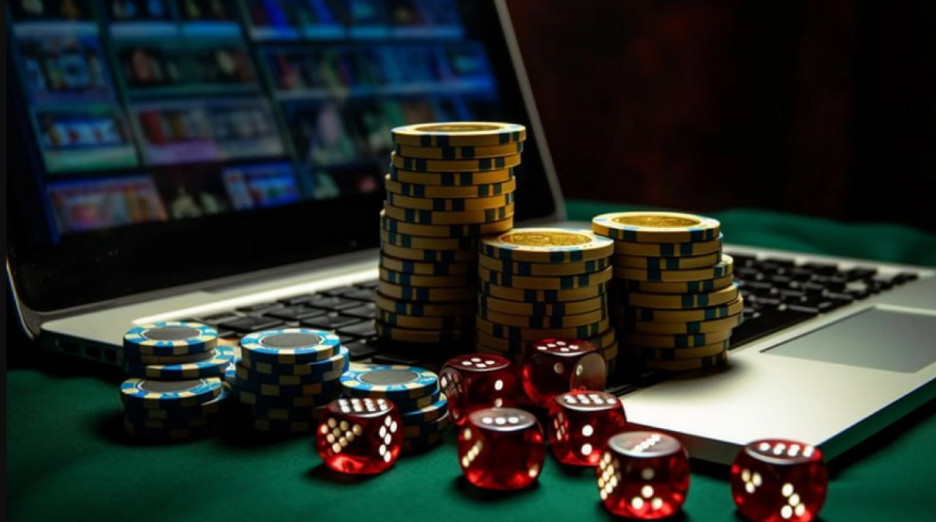
The existence of the house edge serves as a sobering reminder that luck should not be relied upon as a winning strategy. Players may experience streaks of good fortune, but as they continue playing, the house edge will inevitably diminish their bankroll. This reality challenges the misconception that luck is a dependable variable in gambling outcomes. Awareness of the house edge may prompt players to adjust their strategies, perhaps opting for games with lower house edges in hopes of improving their chances against the odds.
Ultimately, understanding the interplay between luck and the house edge is essential for players seeking to navigate the gambling landscape effectively. Recognizing that luck is just one aspect of a more complex equation can empower players to adopt smarter betting strategies and manage their expectations. This knowledge can demystify the role of luck in casinos, transitioning it from a blind hope to a more calculated approach to engaging with games.
Exploring the Casino Experience Online
The advent of online casinos has significantly reshaped the gambling landscape, providing players with the opportunity to enjoy games from the comfort of their own homes. This shift has also influenced perceptions of luck and outcomes. Online players may experience a different relationship with luck, as the absence of physical surroundings can alter their emotional engagement with the game. Unlike the sensory overload of a traditional casino, online players may find themselves in a more isolated environment, where their reliance on luck may become even more pronounced.
Moreover, the technology used in online games is designed to replicate the randomness found in physical games, utilizing random number generators to ensure fair outcomes. This consistency means that the role of luck remains intact across both platforms. However, the convenience and accessibility of online gambling can lead to increased gaming behavior, as players may pursue lucky outcomes more aggressively without the social constraints present in physical casinos. This shift raises critical questions about the influence of luck within virtual spaces and how it shapes player experiences.
As players navigate the online gambling world, it becomes increasingly vital to differentiate between luck and skill. With an abundance of options and easy access, players may be tempted to lean solely on luck while neglecting the importance of strategic thinking. Furthermore, responsible gambling practices are crucial in an online environment, as the anonymity provided by digital platforms may encourage some players to engage in riskier behavior. Ultimately, the online casino experience presents a unique context for examining luck, sparking new discussions about its role in gambling and its implications for players.